

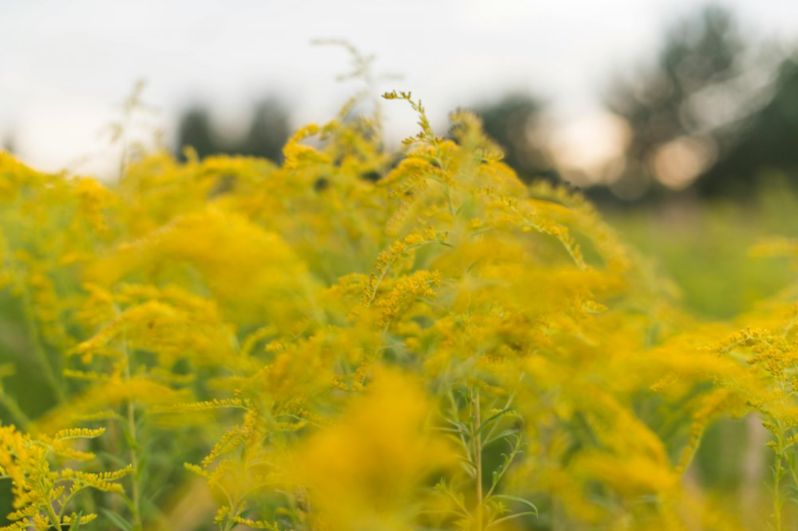
For allergy sufferers across North America, the shift to cooler weather doesn't always bring relief. Instead, many face an agonizing overlap between the end of one powerful allergy season and the start of another. This chaotic period, peaking in the fall, is often driven by two potent, yet distinct, pollens: ragweed and the deceptively named mountain cedar.
Here's what you need to know about this brutal autumn overlap, why it's so tough on your airways, and how to fight back.
Meet the Culprits: Ragweed and Cedar
These two allergens are responsible for some of the most intense seasonal suffering, particularly in the Midwest, South, and Central U.S.
Ragweed (The Late Summer Finisher). Ragweed pollen, produced by common weedy plants found largely in disturbed soil and roadside areas, is the classic late-summer nemesis.
• Season: It typically thrives from August through October, with a peak usually hitting around mid-September to mid-October.
• Power: A single ragweed plant can produce up to a billion pollen grains, and these lightweight grains can travel hundreds of miles on the wind, spreading misery far beyond where the plant grows.
Mountain Cedar (The Early Winter Starter). Despite its common name, "mountain cedar" is actually a species of juniper tree (Juniperus ashei) native to Texas and the South-Central U.S. While its legendary peak is known as "cedar fever season" in the dead of winter, its presence can begin earlier.
• Season: Its main season runs from December to February.
• The Overlap: However, early shedding or cross-reactive juniper species can begin releasing pollen as early as October. This is when late-season ragweed often clashes with early cedar activity, creating a sustained allergy assault.
This combined exposure often means patients who are sensitive to both allergens endure an almost continuous inflammatory flare that runs from late summer through early spring, leaving their airways little time to recover.
Why the Pollen Makes You Miserable
In a sensitized person, the immune system mistakes the harmless pollen proteins for a threat, triggering a powerful defense mechanism called a Type I hypersensitivity reaction. This reaction manifests as both upper and lower airway distress:
• Allergic Rhinitis: Classic symptoms include persistent sneezing, nasal congestion, a runny nose, and itchy eyes and throat.
• Asthma Exacerbations: For those with asthma, the inflammation extends deeper into the lower airways, causing coughing, wheezing, chest tightness, and shortness of breath.
• Systemic Fatigue: Prolonged exposure keeps the immune system working overtime, leading to heightened airway hyperreactivity. This state of chronic inflammation is metabolically taxing, often resulting in significant fatigue, sleep disruption, and mood changes.
How to Fight Back
For patients sensitive to these powerful allergens, early and aggressive management is critical to prevent a cascading cycle of inflammation.
1. Master Your Environment
• Monitor Counts: Check daily pollen counts using local allergy reports. Limit outdoor activity during high-count days (usually early morning and windy conditions).
• Close the Loop: Keep windows closed and run your air conditioning. Use HEPA air filtration units indoors, especially in the bedroom, to actively remove tiny airborne dander and pollen.
• Clean Up: Shower and change clothes immediately after outdoor exposure to remove pollen from your skin and hair before it settles into your home.
2. Start Prevention Early
• Pre-Treat: Begin using nasal corticosteroids or over-the-counter antihistamines two to three weeks before your expected season starts. It takes time for preventive nasal sprays to reach full effectiveness.
• Stay Consistent: If you have asthma, maintain your controller inhaler use as prescribed, even if your symptoms feel mild. Managing airway stability early is key to preventing fatigue and serious exacerbations later.
• Watch Your Diet: Be aware of pollen–food cross-reactivity (Oral Allergy Syndrome). During ragweed season, foods like melon, banana, and sunflower seeds can trigger oral itching in some individuals.
3. Seek Long-Term Solutions
• Allergy Testing: Consult with an allergist for definitive testing.
• Immunotherapy: Discuss allergy shots or sublingual tablets. Long-term desensitization can significantly reduce the intensity of your body's reaction to major allergens like ragweed and cedar over time, offering true, lasting relief.
Reference
1. Stuckey J. ‘Cedar Fever’ Season Has Arrived in Texas. Texas A&M Stories. December 18, 2024. Accessed 10/21/2025. https://stories.tamu.edu/news/2024/12/18/cedar-fever-season-has-arrived-in-texas/
2. Asthma and Allergy Foundation of America. Ragweed Pollen Allergy. Accessed 10/21/2025. www.aafa.org/allergies/types-of-allergies/pollen-allergy/ragweed-pollen/
