

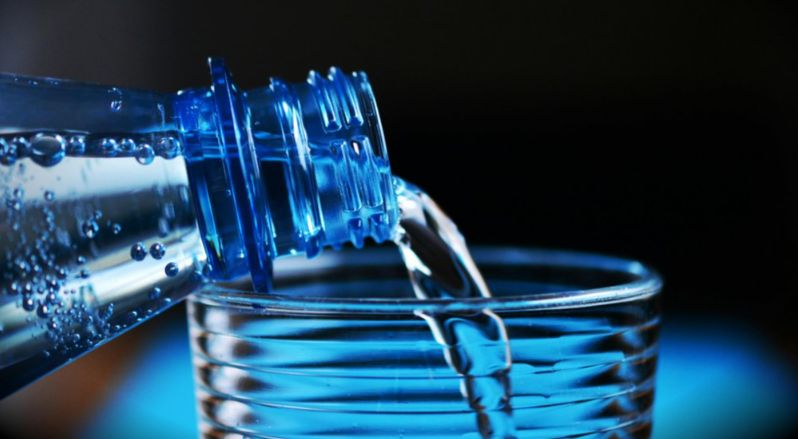
Walk down the beverage aisle, and you'll see a parade of premium waters: "vapor-distilled," "electrolyte-enhanced," and "smart." They promise superior taste and health benefits, often for a hefty price. But when you look past the sleek marketing, most of these waters are essentially the same as what you can get from your tap. Is there any real value in buying expensive branded water like Smartwater over simply running tap water through a filter at home? The short answer is: not really, unless you’re paying purely for a subjective taste preference.
What You're Buying: Filtered Water with Extra Steps
Brands like Smartwater market themselves as pure because of their purification method: vapor distillation. This is a high-energy process where water is boiled into steam, and the steam is condensed back into water, removing virtually all impurities and naturally occurring minerals. After distillation, the water is a blank slate. Because distilled water tastes flat to many, tiny amounts of electrolytes (like calcium, magnesium, and potassium) are added back in. These minerals are added for flavor and consistency, not significant nutrition.
Meanwhile, a home-filtered tap water system uses simple technology like a carbon filter to remove things that affect taste and safety, like chlorine, metallic odors, and lead. Depending on your filter and local water, many beneficial natural minerals are often retained. For the average person, the trace minerals added to premium bottled waters offer no measurable health advantage over regular filtered water. You get all the hydration you need, and all your necessary electrolytes, from a healthy, balanced diet.
The Hidden Concern: Microplastics and Contaminants
It's natural to assume that water sealed in a bottle is cleaner than what comes from your tap. However, studies show that many premium bottled waters often contain more microplastic particles than typical tap water. The source of these contaminants isn't the water itself, but the plastic packaging and the bottling process. The friction and handling of the plastic bottle can cause tiny plastic fragments to leach into the water. In one analysis, bottled water contained about 50 times more microplastic particles than standard tap water.
This is where a quality home filtration system offers an advantage. Filters with fine membranes, such as reverse osmosis, are highly effective at removing microplastics and other dissolved impurities and contaminants before you drink them.
The True Difference: Taste and Loyalty
The main reason people buy branded waters isn't health or purity, it's taste and convenience.
Taste is Subjective: Smartwater fans describe its flavor as "crisp" and "clean." This taste is the result of its near-total purity combined with the consistent, specific blend of added electrolytes. Meanwhile, home filtration can effectively remove the unpleasant notes (like chlorine) that your tap water may carry, resulting in a clean, neutral flavor. You might prefer the taste of a specific brand because their proprietary blend hits your palate just right, but that's a matter of personal preference, not superior nutrition or safety.
The Power of Branding: You're also paying a premium for convenience and the brand's image of purity. This psychological association, that a sleek, expensive bottle must be better. can heavily influence your purchasing decision and loyalty.
The Smarter Choice: Wallet and Planet
When you choose bottled over filtered, the differences in cost and environmental impact become significant. Premium bottled water can cost up to 2,000 times more than tap water per liter. Plus, the environmental footprint is high due to the vast amounts of single-use plastic, the energy required for vapor distillation, and the carbon emissions from transport.
The smartest choice for your wallet and the planet is almost always to invest in a high-quality home filter and use a reusable bottle. This offers equal or superior purity, less environmental impact, and a fraction of the cost. So, before reaching for that sleek plastic bottle, consider this: the smartest way to drink water might be the simplest, from your own tap.
Reference
1. Bäuerlein PS, Hofman-Caris RCHM, Pieke EN, Ter Laak TL. Fate of microplastics in the drinking water production. Water Res. 2022;221:118790. doi:10.1016/j.watres.2022.118790
2. Nirmala K, Rangasamy G, Ramya M, Shankar VU, Rajesh G. A critical review on recent research progress on microplastic pollutants in drinking water. Environ Res. 2023;222:115312. doi:10.1016/j.envres.2023.115312
3. Lyu K, Cao C, Li D, Akbar S, Yang Z. The thermal regime modifies the response of aquatic keystone species Daphnia to microplastics: Evidence from population fitness, accumulation, histopathological analysis and candidate gene expression. Sci Total Environ. 2021;783:147154. doi:10.1016/j.scitotenv.2021.147154
4. da Costa P, Candido A, Rodrigues D, et al. Are water filters effective against microplastics? Water. 2024;16(22):3189. doi:10.3390/w16223189
