

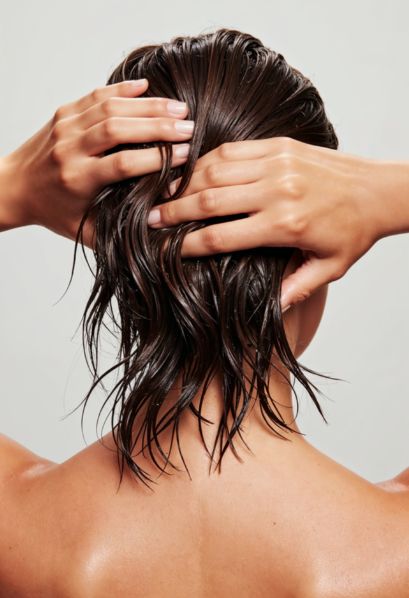
Rethinking Hair Hygiene in the Era of Advanced Shampoos and Conditioners
For years, the beauty industry has repeated the advice: “Don’t wash your hair every day.” The concern, once valid, was that frequent washing could strip natural oils and lead to dryness and breakage. But with modern formulations of shampoos, conditioners, and serums, that old rule may no longer apply, and avoiding regular washing may actually do more harm than good.
Modern Shampoos Are Not the Same as Decades Ago
Earlier shampoos were often harsh, containing strong sulfates and detergents that removed both dirt and the natural lipid barrier of the scalp. Today’s hair-care technology has evolved dramatically. Most commercial and professional shampoos now include milder surfactants, moisturizing agents, and protective ingredients like ceramides, amino acids, and natural oils. Many are formulated specifically for daily use, balancing cleansing with hydration.
The Scalp Is Skin, and It Needs Cleaning Too
The scalp has about 180,000 oil glands, producing sebum that protects the skin and hair. But when sebum mixes with sweat, dead skin cells, pollution, and product residue, it becomes a breeding ground for bacteria and yeast (Malassezia). These microbes can cause scalp odor, dandruff, itching, and even folliculitis. Skipping washes for several days allows this buildup to worsen, especially in humid environments or for those who exercise regularly.
The “Every 2–3 Days” Rule Isn’t Based on Strong Evidence
Contrary to popular belief, there’s no scientific proof that washing hair every two or three days is healthier than daily washing. The ideal frequency depends on your hair type, scalp oiliness, environment, and lifestyle. However, with today’s mild formulations, washing daily or every other day is safe for most people, and beneficial for scalp hygiene.
Daily Washing Can Prevent Scalp Disorders
Regular washing helps remove yeast, bacteria, allergens, and pollutants that accumulate on the scalp and hair shafts. For women prone to dandruff, seborrheic dermatitis, or scalp odor, daily cleansing can reduce flare-ups and inflammation. Dermatologists increasingly recommend washing after workouts or sweat exposure, as warm, moist environments favor microbial overgrowth.
Complementing Cleansing with Modern Hair Care
Conditioners and serums now offer deep nourishment and protection without weighing hair down. These products can restore moisture and reduce frizz, even when washing daily. Choosing a pH-balanced, sulfate-free shampoo and lightweight conditioner allows frequent washing while keeping hair smooth, shiny, and strong.
In Summary
In today’s world, with pollution, styling products, and increased environmental exposure, regular hair washing is essential self-care. Modern shampoos and conditioners have eliminated the old trade-off between cleanliness and dryness. Instead of fearing daily washes, women should view them as part of maintaining a healthy scalp, preventing odor, and supporting overall hygiene.
Clean scalp, healthy hair - every day.
Reference
1. Punyani S, Tosti A, Hordinsky M, Yeomans D, Schwartz J. The Impact of Shampoo Wash Frequency on Scalp and Hair Conditions. Skin Appendage Disord. 2021;7(3):183-193. doi:10.1159/000512786
2. Saxena R, Mittal P, Clavaud C, et al. Comparison of Healthy and Dandruff Scalp Microbiome Reveals the Role of Commensals in Scalp Health. Front Cell Infect Microbiol. 2018;8:346. Published 2018 Oct 4. doi:10.3389/fcimb.2018.00346
3. Scalp Microbiome Explained: What’s Living on Your Scalp—The Emerging Science of the Scalp Microbiome.” News-Medical.net. 2025.
4. Xu C, Li W, Lin L, et al. High-throughput sequencing to analyze changes in the human scalp microbiome during the use of a shampoo. BMC Microbiol. 2025;25(1):497. Published 2025 Aug 11. doi:10.1186/s12866-025-04260-5
5. Considerations for Hair Washing Frequency. Dermatology Times. 2013;34(8).
