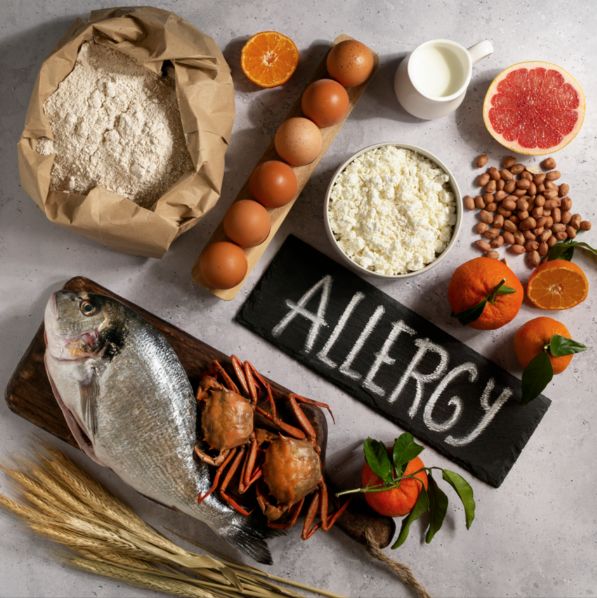
The economic burden of using high-dose omalizumab for food allergy management is significant due to its high cost and the growing prevalence of food allergies. Omalizumab, which typically costs between $2,500 to $5,000 per month for asthma or chronic urticaria, could exceed $10,000 per month for high-dose regimens targeting food allergies, potentially reaching annual costs of $100,000–$150,000 per patient. Food allergy prevalence is rising, affecting 6–8% of children and 3–4% of adults in the U.S. If even 1% of the U.S. population (~3 million people) sought high-dose omalizumab for food allergy, the total cost could exceed $300 billion annually at current pricing.
Insurance coverage for high-dose omalizumab remains a major concern, as it is currently used off-label for food allergies. Insurance companies may limit coverage, requiring prior authorization or only covering severe cases, which may restrict access for many patients. For those without adequate coverage, out-of-pocket costs would be prohibitive. However, patient assistance programs could help offset some costs, although they may not fully mitigate the financial burden for high-dose regimens. The healthcare system may instead shift focus to alternative treatment strategies, such as oral immunotherapy (OIT) or sublingual immunotherapy (SLIT), which are potentially more cost-effective.
Despite the high costs, omalizumab could be cost-effective for individuals with severe, life-threatening food allergies by reducing emergency room visits and hospitalizations. To alleviate the financial burden, biosimilars may reduce costs once patents expire, and combination therapies that use lower doses of omalizumab with OIT may offer a more affordable alternative. Without changes to insurance coverage and pricing, however, access to high-dose omalizumab for food allergy management is likely to remain limited for most patients.
Reference
Shaker M, Anagnostou A, Abrams EM, et al. The Cost-Effectiveness of Omalizumab for Treatment of Food Allergy. J Allergy Clin Immunol Pract. 2024;12(9):2481-2489.e1. doi:10.1016/j.jaip.2024.06.023